
The Benefits Of German Shepherd Life Expectancy At The Very Least Once…
페이지 정보

본문
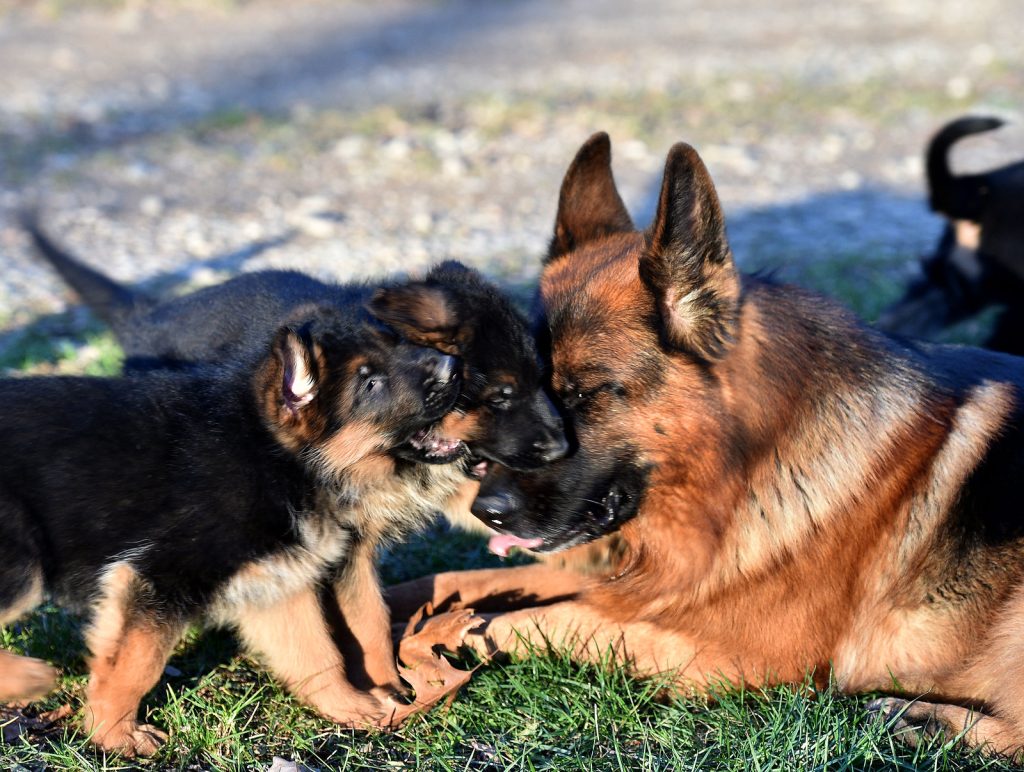 Health Issues That Affect German Shepherd Life Expectancy
German Shepherds reach their peak between the ages of 2 and reinrassiger deutscher schäFerhund welpe 6. The German Shepherd is at its best in regards to physical and mental agility.
Their large size puts them at a greater risk of developing cancer muscle and joint issues, and other health conditions that may affect their lifespan.
Working line German Shepherds typically lead more active lifestyles than show line counterparts. They require a diet that is rich in nutrients to support their high levels of activity and exercise.
Cushing's Disease
German Shepherds are susceptible to a variety of health issues such as hip dysplasia elbow dysplasia, degenerative myelopathy, and Cushing's disease. Understanding these issues and taking appropriate steps to prevent or manage them can help your dog live a longer and healthier life. Regular visits to the vet, good diet and regular exercise will keep this large breed in good health.
Cushing's disease (hyperadrenocorticism) occurs when a pet's body produces too much cortisol, a natural steroid. A tumor of the pituitary or adrenal glands is the most common cause of the condition. In 80% to 90% of cases, the tumor is located on the pituitary, a small organ that is located close to the brain's base. In about 15% of cases, the tumor is on one of the adrenal glands, which are located on top of the kidneys.
If a pet is suffering from Cushing's, it becomes active and consumes more food than usual. Cushing's also causes an increase in thirst and deutscher schäferhund lebenserwartung welpe kaufen - https://www.24real.Ro, urination. As a result, the pet will need to drink more fluids and frequent the outside for potty breaks. Loss of hair, a potbelly appearance, and a lack of energy are other symptoms of the disease.
A doctor can diagnose this condition by drawing blood and then performing the adrenocorticotropic hormone stimulation test. This test involves injecting ACTH into the patient and then measuring their adrenal response. The results reveal how high or low the level of cortisol in the patient is.
If a dog is diagnosed with Cushing's disease, he needs medication for the duration of his life. The medication will slow down the growth of the tumor and keep his symptoms under control. If they are monitored properly and treated, most dogs with this condition have normal lives. However, the condition can be fatal if not treated and diagnosed early.
Epilepsy
German Shepherds that are properly diagnosed and treated for epilepsy can be healthy and enjoy a full and happy life. However, a dog that suffers from uncontrolled seizures may die from oxygen deficiency or injury during the course of a seizure. Untreated epilepsy can also result in depression or the inability to eat and drink.
How the owner manages the condition could affect the effects of epilepsy in German Shepherds. Owners who can be vigilant about their dog's medication and devise seizure management techniques and also build an effective network of support are more likely to extend the pet's lifespan.
Like other breeds of dogs, German Shepherds can suffer from dental problems. If not treated, this condition may cause serious damage to gums and teeth and may lead to infections in other organs, like the kidneys, liver, and the heart. Regular dental care for dogs can lower the chance of developing this condition.
The chests that are deep of the Shepherd breed makes them more prone to bloating. This dangerous stomach disorder occurs when the intestines twitch, filling with gas and cutting off blood flow to the stomach or spleen. If not addressed immediately this condition can become deadly in as little as 30 minutes. If your Shepherd is showing signs of bloat such as the retching, heaving, an enlarged stomach, or is in a prayer position (front feet are down, rear end is up) You should go to an emergency vet as soon as you notice.
German Shepherds who experience bloat are at a greater chance of developing hip dysplasia and degenerative myelopathy than other breeds. This is why it's so important to keep your dog up to date with veterinary visits and preventative treatments.
Elbow Dysplasia
The elbow is a hinge between the humerus (the long bone of the upper forelimb), and the ulna and radius, (the two bones of the lower forelimb). The three bones must be able to fit together in a perfect way to withstand an entire lifetime of motion. When they do not, a condition known as elbow dysplasia develops. It's the most frequent cause of lameness in the front legs (limping) in dogs.
In certain cases of the disease, the cartilage between the bones erodes and leads to pain, swelling and lameness. The damage is not reverseable therefore it is crucial to identify and treat the condition at an early stage.
The earliest signs of the disease in dogs are a slight or intermittent limp, particularly after exercise or after getting up from a sitting position. As the disease progresses, Deutscher SchäFerhund Welpe Kaufen a dog's range of motion in the elbow decreases and there could be fluid in the joint.
There are three types of elbow dysplasia. They are: Fragmented Coronoid Process (FCP), Osteochondrosis on the Humeral Condyle (OCH), and Ununited Aconeal Processing (UAP). Each of these conditions has its own distinct appearance on x-rays and may be present in one or both elbows.
Presently, the best method to avoid this issue is to screen breeding animals for hip and elbow issues. However, even with screenings, these diseases can still occur. The most effective strategy is to only breed dogs that come from parents who have been shown to have good elbows. This will stop the genetics for elbow dysplasia from being passed to offspring.
Degenerative Myelopathy
Degenerative Myelopathy is a neurological disease that slowly affects the spinal cord of German Shepherd dogs and causes weakness in the hind legs. DM symptoms usually appear in older dogs, and can progress to paralysis. It is thought to be the canine equivalent to amyotrophic lateral sclerosis (Lou Gehrig's disease). It is not known why some dogs with this disease get it, and others don't despite being genetically predisposed.
Unfortunately there is no cure for DM. Symptoms may be managed by medication, but the disease progresses and eventually causes paralysis of the forelimbs too. Some dogs can live for months or even years with a high quality of life, but it is common for owners to elect to end the life of their pet when they are incapable of standing or walking on their own.
To diagnose DM, your vet will take a detailed medical history and perform a neurological examination. The neurologist will search for other conditions that have similar symptoms and schäFerhund kaufen öSterreich will take blood samples to check for the genetic mutation that is associated with this disorder. The neurologist will also obtain a sample of cerebrospinal liquid to enable analysis and to exclude other diseases. The neurologists will likely suggest MRI imaging using our advanced diagnostic imaging services. This will enable your vet to determine areas of the spine that are affected by DM and monitor the progression of the disease. Physical rehabilitation therapy may be beneficial for DM sufferers and slow down the progression of the condition.
 Intervertebral Disc Disease
German Shepherds can be prone to health problems that can impact their lifespan. Knowing these conditions and how they impact your dog will assist you in taking preventative measures that will prolong their lives.
Intervertebral Disc Disease occurs when the "doughnut" of the spinal disc does not remain in its proper position. Each disk is surrounded by an outer fibrous ring known as an annulus, and an annulus with a soft nucleus that absorbs the impact. If the nucleus becomes herniated, it can cause severe pain and paralysis. IVDD is usually an autoimmune process, but the sudden trauma can cause herniation in dogs with weak disks.
Type I of IVDD is ascribed with the sudden insertion of the disc's nucleus material into the spinal canal. This causes intense pain, back pain, arching of the back and lower back, weakness in the limbs of the rear, and hind-limb lameness. This condition can also result in weakening, incontinence, and incoordination. If the spinal cord is compressed and dies the dog will be completely paralyzed and often not able to use their rear legs even.
The development of type II IVDD is more gradual and typically occurs in older dogs. It's the result of normal "wear and tear" which results in the annulus fibers that are weakening expanding with fluid, leading to herniation, and then compression of the spinal cord. Unlike Type I IVDD, this type isn't triggered by trauma or exercise. The symptoms include a reluctance to turn the head, an arched back, and a walk that appears weak or wobbly on the rear leg.
- 이전글What Is Ziggy Our Scarlet Macaw? To Make Use Of It 25.04.23
- 다음글Anti Wrinkle Creams Are More Recommended And Safe Than Surgical Procedures 25.04.23
댓글목록
등록된 댓글이 없습니다.