
Guide To Owning A Macaw: The Intermediate Guide For Owning A Macaw
페이지 정보

본문
Owning a Macaw: A Guide for Prospective Bird Enthusiasts
Macaws are among the most striking and intelligent bird species on the planet. Understood for their dynamic plumage, captivating personalities, and exceptional vocal abilities, these splendid animals can make wonderful buddies. Nevertheless, owning a macaw is no small endeavor, and potential owners need to be gotten ready for the duties that include taking care of such a sensational bird. This article serves as buy a macaw parrot thorough guide for anyone thinking about including a macaw to their household.
Understanding Macaws
Species Overview
Macaws come from the family Psittacidae and are belonging to Central and South America. They can be approximately classified into numerous species, including:
- Blue and Gold Macaw: Recognized by its bright blue macaw bird price back and yellow underparts, this species is one of the most popular among pet owners.
- Green-winged Macaw: Known for its green body and striking red wings, this macaw is a bigger bird that prospers in social environments.
- Scarlet Macaw: With a predominantly red body and blue macaw price and yellow wings, the Scarlet miniature macaw for sale is known for its vibrant coloration and spirited character.
- Hyacinth Macaw: The largest of all macaw species, this bird showcases deep blue feathers and is known for its caring nature.
Lifespan and Size
Macaws are long-lived, typically measuring up to 50 years or more in captivity. For that reason, potential owners must consider their long-lasting dedication. They are likewise considerable birds, typically ranging from 20 to 40 inches in length, depending on the species.
Social Nature
Macaws are highly social animals. They flourish on interaction, both with human companions and other birds. An isolated macaw can become depressed and develop behavioral problems, making socialization an essential element of care.
Preparing for Macaw Ownership
Offered the requirements of macaw ownership, potential owners must take several factors into account before bringing one home.
Financial Commitment
The financial commitment of owning a spix macaw characteristics can be significant. Below are a few of the anticipated expenses:
| Expense Category | Approximated Costs |
|---|---|
| Purchase Price | ₤ 1,000 - ₤ 3,000 |
| Cage | ₤ 300 - ₤ 1,000 |
| Food | ₤ 30 - ₤ 100/month |
| Veterinary Care | ₤ 100 - ₤ 300/year |
| Toys and Enrichment | ₤ 20 - ₤ 100/month |
Area and Housing
Macaws need a spacious living environment. A proper cage is necessary for their wellness, as they spend a considerable quantity of their day in it. The minimum cage size for a macaw should be at least 3 feet broad, 3 feet deep, and 5 feet high. Additionally, having a safe, monitored location for out-of-cage time is crucial for their health and joy.
Diet plan and Nutrition
Like humans, macaws need a well balanced diet to flourish. Their diet ought to primarily consist of:
- Pellets: High-quality pellets supply vital minerals and vitamins.
- Fruits and Vegetables: Fresh fruit and vegetables needs to be included daily. Examples consist of apples, bananas, carrots, and leafy greens.
- Nuts and Seeds: These can be provided in small amounts, as they are high in fat.
Behavioral Understanding
Macaws are renowned for their intelligence and interest. Appropriate training and socializing are necessary in establishing a well-adjusted bird. Here are a few suggestions on handling macaw habits:
Training
- Positive Reinforcement: Using rewards to reinforce etiquette is efficient.
- Vocalization: Teach them to imitate sounds and words; macaws enjoy to take part in vocal play.
- Social Interaction: Regular interaction with people and other pets can mitigate behavioral issues arising from solitude or boredom.
Typical Behavioral Problems
Some typical problems consist of extreme screeching, plume plucking, and aggression. Comprehending the underlying cause, which may originate from tension or an absence of stimulation, is essential to dealing with these problems.
Frequently Asked Questions About Macaw Ownership
1. Are macaws good pets for families?
Yes, macaws can be excellent pets for families with the time and space to dedicate to their care. Nevertheless, they need constant interaction and may not be appropriate for extremely young kids due to their size and strength.
2. How often do macaws need social interaction?
Macaws are extremely sociable and require everyday interaction. They flourish in environments where they're engaged and entertained.
3. Can macaws be left alone for prolonged periods?
No, macaws ought to not be left alone for extended durations. They can establish anxiety and behavioral issues if left ignored.
4. Do macaws require to be bathed?
Yes, macaws delight in bathing and ought to be used opportunities to shower regularly, whether through misting with water or a shallow meal for splashing.
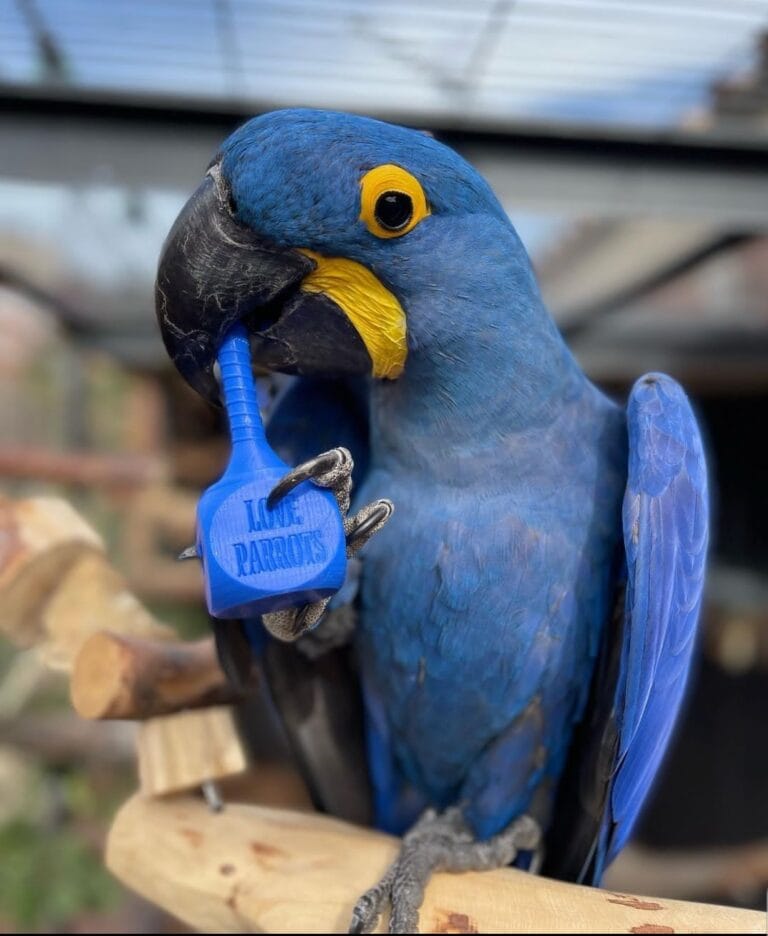
5. How can I keep my macaw entertained?
Think about the following choices for macaw enrichment:
- Toys: Rotating a variety of toys and chewable products keeps their environment stimulating.
- Training Sessions: Engaging in training builds a bond and supplies mental stimulation.
- Interactive Play: Supervised out-of-cage playtime is vital for physical and social wellness.
Owning a macaw is a rewarding yet requiring endeavor that requires a significant financial investment in time, resources, and emotional dedication. By understanding the requirements and characteristics of these gorgeous birds, potential owners can make educated choices and develop a nurturing environment. With the right preparation, owning a macaw (mouse click the following post) can result in years of happiness and friendship, making them a cherished member of the family.
- 이전글What's The Current Job Market For Double Glazed Window Repairs Professionals? 25.04.28
- 다음글The Most Common A2 Driver's License Online Shop Debate Could Be As Black And White As You Might Think 25.04.28
댓글목록
등록된 댓글이 없습니다.