
What Buy Driver's License With Bitcoin Is Your Next Big Obsession
페이지 정보

본문
Understanding the Process of Purchasing a Driver's License
Getting a driver's license is a significant turning point that marks a person's ability to operate a motor vehicle legally. While the term "purchase" may suggest a simple transaction, the reality is that getting a driver's license involves a series of actions, comment acheter un permis de conduire français acheter un permis de conduire sans examen vrai acheter un permis de conduire sans poser de questions acheter un permis de conduire avec une carte de crédit conduire EuropéEn (https://ruskamenka.ru/bitrix/redirect.php?event1=&event2=&event3=&goto=https://licencefrancexpress.com/) tests, and requirements designed to ensure public security and roadway proficiency. This post intends to supply an extensive guide to the process of acquiring a driver's license, highlighting the necessary actions, typical requirements, and regularly asked questions (FAQs) to help aspiring chauffeurs navigate the process smoothly.

Steps to Obtain a Driver's License
Figure out Eligibility
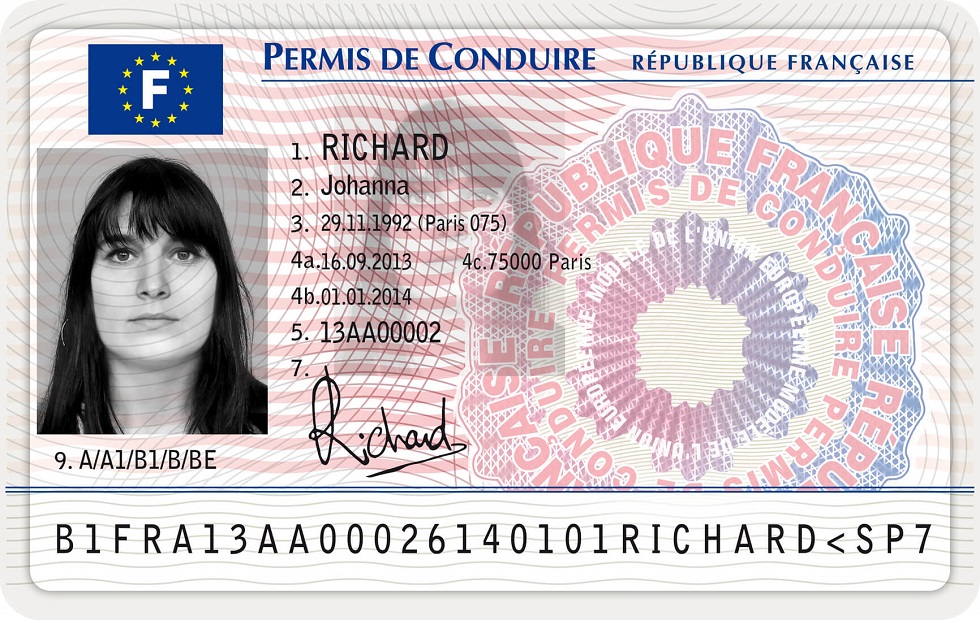
- Age Requirements: Most nations have minimum age requirements for getting a driver's license. In the United States, for example, the minimum age is normally 16 for a student's license and 18 for a complete license. Nevertheless, these can differ by state.
- Residency Requirements: Applicants need to typically be residents of the state or nation where they are getting the license.
- Legal Status: In many places, candidates need to be legal homeowners or people.
Take a Written Test
- Research study the Driver's Manual: Before taking the written test, it is important to familiarize yourself with the driver's manual, which consists of guidelines of the roadway, traffic signs, and safe driving practices.
- Practice Tests: Many states and countries use practice tests online to help you get ready for the genuine exam.
- Test Day: On the test day, bring all required files, such as proof of identity, residency, and date of birth. The test typically includes multiple-choice concerns.
Make an application for a Learner's Permit
- Documents Required: Typically, you will require to offer proof of identity, residency, and date of birth. Some locations likewise need evidence of registration in a driver's education course.
- Charges: There is generally a charge for the student's authorization, which can differ by area.
- Constraints: A learner's authorization typically includes constraints, such as driving only with a licensed grownup over a particular age in the front seat or not driving during particular hours.
Total Driver's Education
- Classroom Instruction: Most states require a specific number of hours of classroom direction, which covers topics such as traffic laws, safe driving practices, and the mechanics of driving.
- Behind-the-Wheel Training: In addition to classroom direction, numerous locations require a particular number of hours of behind-the-wheel training with a certified trainer.
Log Driving Hours
- Supervised Driving: With a student's authorization, you will need to log a particular variety of monitored driving hours. The required variety of hours can vary by state, however it is typically in between 50 and 100 hours.
- Logging Hours: Keep a log of your driving hours, including the date, time, and conditions of each drive. Some states need this log to be signed by a parent or guardian.
Take a Driving Test
- Scheduling the Test: Once you have actually completed the needed driving hours, you can schedule your driving test. This is typically done through the Department of Motor Vehicles (DMV) or a similar federal government company.
- Test Preparation: Practice driving in various conditions to ensure you are well-prepared for the test. Some states offer practice tests or test details on their sites.
- Test Day: On the test day, bring your student's authorization, proof of completion of driver's education, and any other needed files. The test will evaluate your capability to safely run a lorry, follow traffic laws, and manage various driving scenarios.
Pass a Vision Test
- Vision Screening: Most driving tests consist of a vision screening to make sure that you satisfy the minimum vision requirements for driving.
- Restorative Lenses: If you need corrective lenses to meet the vision requirements, you will need to wear them during the test and while driving.
Pay for the License
- Charges: There is usually a cost for the driver's license, which can vary by state or country. This fee covers the expense of processing your application and issuing the license.
- Payment Methods: Fees can generally be paid by money, charge card, debit card, or check.
Receive Your Driver's License
- Short-term License: Immediately after passing the driving test, you will get a short-term driver's license. This is typically a piece of paper that is valid for a brief period, such as 30 to 60 days.
- Long-term License: Your permanent driver's license will be sent by mail to you within a few weeks. It is essential to examine that all the info on the license is appropriate.
Typical Requirements for a Driver's License
- Proof of Identity: A legitimate government-issued ID, such as a passport or birth certificate.
- Evidence of Residency: An energy expense, lease contract, or other official document that reveals your existing address.
- Proof of Date of Birth: A birth certificate or passport.
- Social Security Number (SSN): In the United States, you may need to provide a Social Security number.
- Completion of Driver's Education: Proof that you have actually finished the needed number of hours of class and behind-the-wheel training.
- Driving Log: A log of your supervised driving hours, signed by a parent or guardian if required.
- Passing Scores on Written and Driving Tests: You must attain the needed passing score on both the composed and driving tests.
Often Asked Questions (FAQs)
Q: Can I acquire a driver's license if I am under 18?
- A: In many states, you can get a learner's permit at 16 and a complete license at 18. However, some states have finished licensing programs that enable younger drivers to acquire a restricted license with extra requirements, such as supervised driving hours and a curfew.
Q: What files do I need to bring to the DMV?
- A: You will typically require to bring:
- Proof of identity (e.g., passport, birth certificate)
- Proof of residency (e.g., energy expense, lease arrangement)
- Proof of date of birth (e.g., birth certificate)
- Social Security number (if relevant)
- Completed driver's education course (if needed)
- Driving log (if required)
Q: How long does it require to get a driver's license?
- A: The process can differ depending on your location and the number of driving hours required. Usually, it can take a number of months from the time you start studying the driver's handbook to the time you receive your permanent license.
Q: What if I fail the driving test?
- A: If you fail the driving test, you can typically retake it after a short waiting duration, which differs by location. It is a great idea to practice more and determine areas where you require improvement before retaking the test.
Q: Can I use a driver's license from another state or country in my new state?
- A: In the United States, many states have a reciprocity arrangement that permits you to move your driver's license from another state if you move. Nevertheless, you will require to meet the new state's requirements, which might include taking a vision test or a written test. If you are moving from another country, you might require to take both the written and driving tests to obtain a license in your new state.
Q: Is there a difference in between a student's license and a provisionary license?
- A: Yes, a student's permit enables you to drive just under guidance, while a provisionary license (or intermediate license) allows you to drive individually with certain limitations, such as a curfew or limits on the variety of passengers.
Q: What occurs if I am caught driving without a license?
- A: Driving without a license is illegal and can lead to fines, license suspension, or even jail. If you are captured, you might also have to pay extra charges and total additional training to get your license.
Q: Can I get a driver's license if I have a special needs?
- A: Yes, lots of states and nations offer unique accommodations for individuals with specials needs. These might consist of customized automobiles, extended test times, or other assistive measures. You will require to call your regional DMV for particular details and requirements.
Tips for a Smooth Application Process
- Start Early: Begin studying the driver's manual and practicing driving as soon as you are qualified to get a student's license.
- Stay Calm: Nerves can affect your efficiency on the driving test. Practice deep breathing and relaxation methods to assist you stay calm.
- Be Prepared: Bring all needed documents to your DMV consultation to prevent delays.
- Follow Instructions: During the driving test, follow the inspector's directions thoroughly and avoid making sudden or irregular motions.
- Retake the Test if Necessary: If you do not pass the test, use the feedback to improve and retake the test with self-confidence.
Obtaining a driver's license is a journey that requires dedication, preparation, and a determination to follow the guidelines. While it might appear like a long and complex procedure, the actions are in location to make sure that chauffeurs are qualified and safe on the roadway. By understanding the requirements, preparing thoroughly, and staying client, you can successfully browse the process and end up being a licensed driver. Keep in mind, a driver's license is a privilege, and with it comes the obligation to drive safely and responsibly.
Additional Resources
- Driver's Manuals: Available online from your state's DMV or federal government transport department.
- Practice Tests: Many sites use totally free practice tests to help you prepare for the composed exam.
- Driver's Education Courses: Offered by schools, community centers, and private driving schools.
- DMV Websites: Check your regional DMV site for specific requirements and steps for obtaining a driver's license in your location.
By following these steps and using the readily available resources, striving drivers can make sure a smooth and successful journey to acquiring their driver's license.
- 이전글10 Healthy Habits For Goethe Certificate A2 25.04.19
- 다음글A Provocative Remark About 6 Ft Container 25.04.19
댓글목록
등록된 댓글이 없습니다.