
The Three Greatest Moments In 30 Ft Shipping Container History
페이지 정보

본문
The Versatility and Benefits of a 30 ft Shipping Container
Shipping containers have actually turned into one of the most adaptable structures of modern-day times, particularly in the context of the growing requirement for sustainable living solutions, storage expansion, and mobile businesses. Amongst the various sizes of shipping containers readily available on the market, the 30 ft shipping container sticks out as an ideal alternative for lots of applications. This post dives into its benefits, various uses, features, and factors to consider when selecting this kind of container.
Understanding the 30 ft Shipping Container
A 30 ft high cube container ft shipping container, as the name indicates, determines 30 feet in length. This size uses an unique balance between ample space for storage or work space and mobility, making it an outstanding option for various tasks and needs.
Dimensions and Specifications
Typically, a basic 30 ft shipping container functions:
Length: 30 feet (around 9.14 meters).
Width: 8 feet (approximately 2.44 meters).
Height: 8.5 feet (approximately 2.59 meters).
These basic dimensions equip the container with a volume of around 1,600 cubic feet. The size is also favorable for transport since it usually fits on trucks and freight without requiring unique licenses.
Types of 30 ft Shipping Containers.
When considering a 30 ft shipping container, there are several types to select from, consisting of:.
Requirement dry containers: These are insulated for storage and transport of products.
Cooled containers (reefers): Ideal for carrying disposable items.
High Cube containers: These use a slightly increased height, offering more vertical storage space.
Open-top containers: These are perfect for large cargo that can not fit through conventional doors.
Flat-rack containers: Designed for heavy, bulky deliveries.
Benefits of Using a 30 ft Shipping Container.
The benefits of utilizing a 30 ft shipping container extend beyond simple storage solutions. Here are a few of the key advantages:.
1. Cost-Effectiveness.
Investing in a 30 ft shipping container is typically a more economical choice compared to conventional building methods. Whether for storage, workplace, or as a portable retail unit, the in advance costs are typically lower.
2. Sturdiness.
Shipping containers are constructed from weather-resistant materials designed to hold up against harsh maritime conditions. This effectiveness suggests they use long-lasting sturdiness for storage without risk of damage.
3. Mobility.
The compact size of a 30 ft container (super fast reply) helps with simpler transport. For companies that require versatility or people looking for mobile solutions, this container size is ideal.
4. Versatile Usage Options.
A 30 ft shipping container can serve a variety of functions, from storage to living space, workplace setups to mobile stores. Its flexible style accommodates a vast array of uses.
5. Eco-Friendly Option.
Repurposing a shipping container is an ecologically friendly choice. By utilizing a product that would otherwise be disposed of, users can add to sustainability while producing functional spaces.
6. Minimized Construction Time.
Turning a shipping container into a habitable or functional area can take substantially less time than conventional structure approaches, enabling quicker project completion.
Common Applications for a 30 ft Shipping Container.
The adaptability of a 30 ft shipping container provides itself to various applications, including however not restricted to:.
Temporary or Permanent Storage: Ideal for individual storage, business inventory, or even construction site needs.
Portable Office Space: Businesses can convert containers into momentary or long-term offices with required amenities.
Retail Spaces: Innovative business owners utilize containers as pop-up stores, food stalls, or mobile kiosks.
Living Spaces: Increasingly, people are making use of containers for tiny homes and holiday properties, profiting from their sturdiness and modification options.
Workshops or Studios: Artists and tradespeople often transform containers into studios or workshops for their craft.
Factors to consider When Choosing a 30 ft Shipping Container.
While a 30 ft shipping container presents numerous benefits, potential users need to keep the following considerations in mind:.
Local Regulations: Before purchasing or putting a container, check local zoning laws and building codes. Some locations might have constraints that affect where or how containers can be used.
Condition of the Container: Inspect the container for rust, dents, and structural integrity. Maintenance is essential for durability and safety.
Modifications: Determine if you require electrical, plumbing, or insulation work done on the container; these can increase expenses and task time.
Delivery Logistics: Arranging for delivery of a large container can need special equipment and planning, specifically in areas with restricted access.
Frequently asked questions.
Q: How much does a 30 ft shipping container cost?
A: The price of a 30 ft shipping container can range from $3,000 to $7,000, depending upon its condition, type, and particular modifications required.
Q: Can I customize my 30 ft shipping container?
A: Yes! Numerous owners customize their containers for windows, doors, insulation, and electrical systems to fit their specific requirements.
Q: what is 30ft is the weight capability of a 30 ft shipping container?
A: The maximum payload for a basic 30 ft shipping container usually falls between 20,000 to 30,000 pounds, depending on the specific container type.
Q: Are 30 ft shipping containers weatherproof?
A: Yes, shipping containers are constructed to be weather-resistant, and their robust 30ft steel containers structure safeguards contents from the aspects.
Q: How can I transport a shipping container?
A: Transporting a shipping container normally needs a flatbed truck equipped with a crane or a specialized container managing setup.
Conclusion.
The 30 ft shipping container is not simply a simple storage solution however an incredibly versatile tool that adapts to various applications in residential and industrial settings. By understanding its functions, benefits, and useful uses, individuals and services can make educated decisions that fit their unique needs. In an ever-evolving world where sustainability and flexibility are ending up being significantly important, the 30 ft shipping container is a resource that offers both ingenious possibilities and useful options.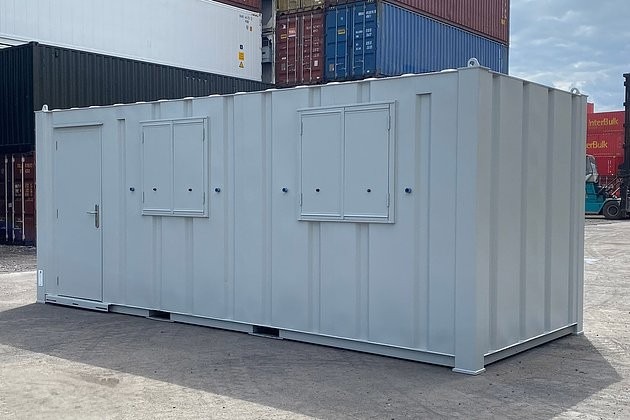
Shipping containers have actually turned into one of the most adaptable structures of modern-day times, particularly in the context of the growing requirement for sustainable living solutions, storage expansion, and mobile businesses. Amongst the various sizes of shipping containers readily available on the market, the 30 ft shipping container sticks out as an ideal alternative for lots of applications. This post dives into its benefits, various uses, features, and factors to consider when selecting this kind of container.
Understanding the 30 ft Shipping Container
A 30 ft high cube container ft shipping container, as the name indicates, determines 30 feet in length. This size uses an unique balance between ample space for storage or work space and mobility, making it an outstanding option for various tasks and needs.
Dimensions and Specifications
Typically, a basic 30 ft shipping container functions:
Length: 30 feet (around 9.14 meters).
Width: 8 feet (approximately 2.44 meters).
Height: 8.5 feet (approximately 2.59 meters).
These basic dimensions equip the container with a volume of around 1,600 cubic feet. The size is also favorable for transport since it usually fits on trucks and freight without requiring unique licenses.
Types of 30 ft Shipping Containers.
When considering a 30 ft shipping container, there are several types to select from, consisting of:.
Requirement dry containers: These are insulated for storage and transport of products.
Cooled containers (reefers): Ideal for carrying disposable items.
High Cube containers: These use a slightly increased height, offering more vertical storage space.
Open-top containers: These are perfect for large cargo that can not fit through conventional doors.
Flat-rack containers: Designed for heavy, bulky deliveries.
Benefits of Using a 30 ft Shipping Container.
The benefits of utilizing a 30 ft shipping container extend beyond simple storage solutions. Here are a few of the key advantages:.
1. Cost-Effectiveness.
Investing in a 30 ft shipping container is typically a more economical choice compared to conventional building methods. Whether for storage, workplace, or as a portable retail unit, the in advance costs are typically lower.
2. Sturdiness.
Shipping containers are constructed from weather-resistant materials designed to hold up against harsh maritime conditions. This effectiveness suggests they use long-lasting sturdiness for storage without risk of damage.
3. Mobility.
The compact size of a 30 ft container (super fast reply) helps with simpler transport. For companies that require versatility or people looking for mobile solutions, this container size is ideal.
4. Versatile Usage Options.
A 30 ft shipping container can serve a variety of functions, from storage to living space, workplace setups to mobile stores. Its flexible style accommodates a vast array of uses.
5. Eco-Friendly Option.
Repurposing a shipping container is an ecologically friendly choice. By utilizing a product that would otherwise be disposed of, users can add to sustainability while producing functional spaces.
6. Minimized Construction Time.
Turning a shipping container into a habitable or functional area can take substantially less time than conventional structure approaches, enabling quicker project completion.
Common Applications for a 30 ft Shipping Container.
The adaptability of a 30 ft shipping container provides itself to various applications, including however not restricted to:.
Temporary or Permanent Storage: Ideal for individual storage, business inventory, or even construction site needs.
Portable Office Space: Businesses can convert containers into momentary or long-term offices with required amenities.
Retail Spaces: Innovative business owners utilize containers as pop-up stores, food stalls, or mobile kiosks.
Living Spaces: Increasingly, people are making use of containers for tiny homes and holiday properties, profiting from their sturdiness and modification options.
Workshops or Studios: Artists and tradespeople often transform containers into studios or workshops for their craft.
Factors to consider When Choosing a 30 ft Shipping Container.
While a 30 ft shipping container presents numerous benefits, potential users need to keep the following considerations in mind:.
Local Regulations: Before purchasing or putting a container, check local zoning laws and building codes. Some locations might have constraints that affect where or how containers can be used.
Condition of the Container: Inspect the container for rust, dents, and structural integrity. Maintenance is essential for durability and safety.
Modifications: Determine if you require electrical, plumbing, or insulation work done on the container; these can increase expenses and task time.
Delivery Logistics: Arranging for delivery of a large container can need special equipment and planning, specifically in areas with restricted access.
Frequently asked questions.
Q: How much does a 30 ft shipping container cost?
A: The price of a 30 ft shipping container can range from $3,000 to $7,000, depending upon its condition, type, and particular modifications required.
Q: Can I customize my 30 ft shipping container?
A: Yes! Numerous owners customize their containers for windows, doors, insulation, and electrical systems to fit their specific requirements.
Q: what is 30ft is the weight capability of a 30 ft shipping container?
A: The maximum payload for a basic 30 ft shipping container usually falls between 20,000 to 30,000 pounds, depending on the specific container type.
Q: Are 30 ft shipping containers weatherproof?
A: Yes, shipping containers are constructed to be weather-resistant, and their robust 30ft steel containers structure safeguards contents from the aspects.
Q: How can I transport a shipping container?
A: Transporting a shipping container normally needs a flatbed truck equipped with a crane or a specialized container managing setup.
Conclusion.
The 30 ft shipping container is not simply a simple storage solution however an incredibly versatile tool that adapts to various applications in residential and industrial settings. By understanding its functions, benefits, and useful uses, individuals and services can make educated decisions that fit their unique needs. In an ever-evolving world where sustainability and flexibility are ending up being significantly important, the 30 ft shipping container is a resource that offers both ingenious possibilities and useful options.
- 이전글The Best Advice You'll Ever Receive About Pallets Near Me 25.04.24
- 다음글There Are A Few Reasons That People Can Succeed With The Truck Driving License In Poland Industry 25.04.24
댓글목록
등록된 댓글이 없습니다.