
What's The Current Job Market For Macaw Representative Species Profess…
페이지 정보

본문
Macaw Representative Species: A Closer Look at Their Diversity and Conservation
Introduction
Macaws are amongst the most vibrant and intelligent birds in the avian world. Known for their lively plumage, strong beaks, and high intelligence, these birds belong to the household Psittacidae and are belonging to Central and South America. With their fascinating look and lively behaviors, macaws have caught the hearts of bird lovers and conservationists alike. This short article explores the various representative species of macaws, their distinct characteristics, environments, and preservation status.
Summary of Macaw Species
The macaw family consists of several species, each showing distinct features and behaviors. Below is a table summarizing some of the most significant macaw representatives.
| Common Name | Taxonomic name | Size (Length) | Primary Coloration | Habitat | Preservation Status |
|---|---|---|---|---|---|
| Blue-and-yellow chestnut fronted macaw price | Ara ararauna | 30 inches | Blue, Yellow | Jungle, forests | Least Concern |
| Scarlet Macaw | Ara macao | 32 inches | Red, Yellow, Blue | Forests and edge habitats | Least Concern |
| Green-winged Macaw | Ara chloropterus | 34 inches | Green, Red, Blue | Tropical rainforests | Near Threatened |
| Hyacinth Macaw | Anodorhynchus hyacinthus | 40 inches | Blue | Forest and savannah | Vulnerable |
| Red-shouldered Macaw | Diopsittaca nobilis | 18 inches | Green, Red, Yellow | Mango woodlands | Near Threatened |
| Blue-headed Parrot | Pionus menstruus | 10-12 inches | Green, Blue (head) | Tropical forests | Least Concern |
Secret Characteristics of Representative Macaw Species
1. Blue-and-yellow Macaw (Ara ararauna)
The blue-and-yellow macaw, often praised for its appeal, features brilliant blue wings and a golden-yellow underbelly. It is a highly social bird, forming strong bonds with its mate and household. Its vocalizations are loud and characteristic, making it among the more easily recognizable macaws.
2. Scarlet Macaw (Ara macao)
Renowned for its striking look, the scarlet chestnut fronted macaw for sale boasts a red body, with lively yellow and blue wings. These birds are understood for their intelligence and have been observed using tools in the wild. Scarlet macaws mostly occupy tropical rain forests, where to buy a macaw they choose to nest in tall trees.
3. Green-winged Macaw (Ara chloropterus)
The green-winged macaw shares comparable pigmentation to the scarlet spix macaw characteristics however features green wings. It is a little larger and has an effective beak that allows it to feed upon tough seeds and nuts. This species is understood for its lively habits and strong personality.
4. Hyacinth Macaw (Anodorhynchus hyacinthus)
The biggest of all macaws, the hyacinth macaw Representative species has a sensational cobalt-blue plumage. Its remarkable size and intelligence make it a favorite among unique pet owners. However, its population has actually been seriously impacted by environment damage and the pet trade, resulting in its vulnerable status.
5. Red-shouldered Macaw (Diopsittaca nobilis)
Smaller than a lot of other macaws, red-shouldered macaws are identified by their green bodies and distinct red shoulder spots. These birds show a more docile character compared to their larger family members, making them popular companions.
6. Blue-headed Parrot (Pionus menstruus)
While not a real macaw, the blue-headed parrot is typically grouped amongst macaws due to its similar traits. It is smaller sized and mostly green, with a striking blue head. This species is less vibrant than normal macaws however offsets it with a friendly nature.
Habitat and Distribution
Macaws prosper in numerous communities throughout Central and South America, primarily living in tropical rain forests, savannas, and woodlands. Their circulation consists of countries such as Brazil, Colombia, Peru, and Paraguay. Their reliance on particular nesting and feeding locations makes environment conservation important for their survival.
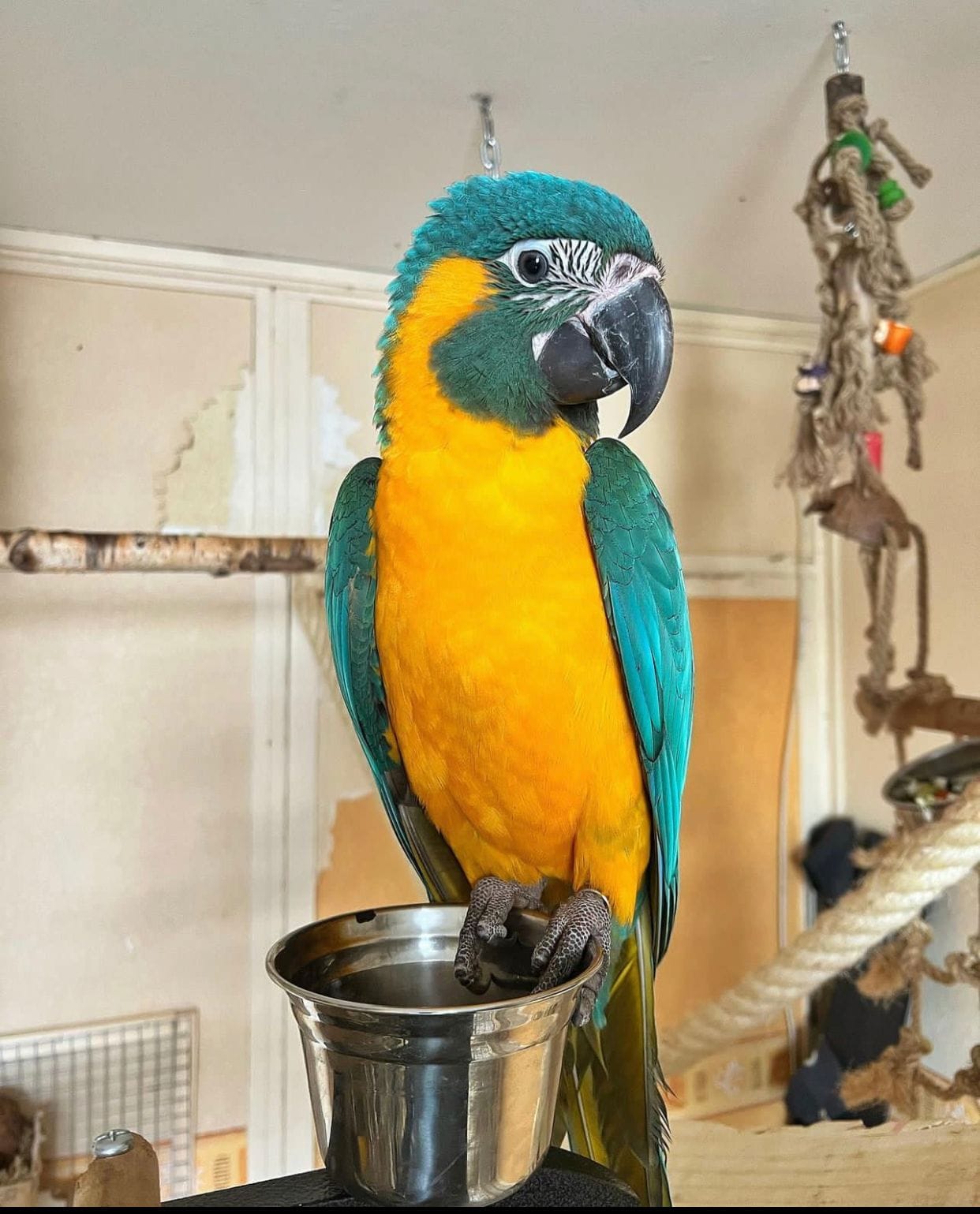
Environment Requirements
- Nesting Sites: Macaws require big trees for nesting, which provide safety from predators and ideal conditions for raising their young.
- Food Sources: These birds are primarily fruit eaters but likewise consume nuts, seeds, and periodically flowers. They need access to large areas of forest to make sure adequate food accessibility.
- Social Structures: Macaws are social birds, often seen in flocks. Their social structures and behaviors are crucial for their wellness and reproducing success.
Conservation Status and Threats
Numerous macaw species deal with considerable risks to their survival, primarily from environment damage, unlawful pet trade, and climate modification. Activists and conservationists are working relentlessly to protect these stunning birds through various strategies.
Major Threats to Macaws
- Deforestation: Urbanization and agriculture lead to considerable habitat loss, interrupting ecosystems and food availability.
- Illegal Capture: The unique pet trade presents a severe hazard, with numerous macaws being caught and sold unlawfully.
- Environment Change: Changes in climate impact food resources and nesting conditions for macaws, further threatening their populations.
Preservation Efforts
Preservation programs for macaws concentrate on environment preservation, legal defense, and rehabilitation of rescued birds. Significant efforts consist of:
- Protected Areas: Establishing and maintaining nationwide parks and reserves to secure macaw environments.
- Breeding Programs: Captive breeding programs to support population healing and reintroduction into the wild.
- Community Awareness: Educating regional neighborhoods about the significance of conserving macaws and their environments.
FAQs about Macaw Representative Species
Q: How long do macaws live?
A: Macaws can macaws be pets live anywhere from 30 to 50 years in the wild, with some people living even longer in captivity.
Q: Are all macaws social birds?
A: Yes, macaws are naturally social and normally form strong bonds with their mates and flock members.
Q: What do macaws consume?
A: Macaws mostly feed on fruits, nuts, seeds, and flowers, however they need a diverse diet to remain healthy.
Q: Can macaws be kept as pets?
A: While lots of people keep macaws as pets, they require substantial care, attention, and area due to their smart and social nature.
Q: What can be done to assist conserve macaws?
A: Supporting conservation companies, promoting for environment security, and raising awareness about the dangers dealing with macaws can help contribute to their preservation.
Macaws are an essential part of the environmental fabric of their native habitats and represent the charm and variety of the bird world. While they face numerous challenges, ongoing preservation efforts use expect their survival. Comprehending and valuing the unique characteristics of representative macaw species is vital for promoting their conservation and guaranteeing that future generations can enjoy these splendid birds.
- 이전글Why We Are In Love With Volvo Xc60 Keys (And You Should Also!) 25.05.02
- 다음글Buy driving license category b Online Techniques To Simplify Your Everyday Lifethe Only Buy driving license category b Online Trick That Everyone Should Learn 25.05.02
댓글목록
등록된 댓글이 없습니다.