
3 Ways In Which The Fitness To Drive Law Will Influence Your Life
페이지 정보

본문
Understanding the Fitness to Drive Law: Ensuring Road Safety for All
The capability to operate a motor vehicle isn't just a matter of driving skill; it encapsulates an essential legal and health element referred to as physical fitness to drive. This principle is central to guaranteeing that people behind the wheel are capable of managing their vehicles safely, thus contributing to roadway safety for themselves and others. In this short article, we will explore the subtleties of physical fitness to drive law, including its ramifications, elements that impact an individual's physical fitness, legal requirements, führerschein express and often asked concerns concerning this essential aspect of roadway security.
What is Fitness to Drive?
Physical fitness to drive refers to a person's physical and mental ability to operate a motor car securely. Various aspects can influence an individual's fitness to drive, including:
- Medical conditions: Certain health problems can hinder driving capability, such as neurological disorders, heart conditions, and psychological health issues.
- Drug abuse: The use of intoxicants, whether legal or motorradfüHrerschein Ohne Prüfung unlawful, can substantially impair driving performance.
- Age-related disabilities: Senior chauffeurs may face difficulties such as degrading vision, slower reaction times, and cognitive decrease.
- Medications: Some prescription and non-prescription medications can impact awareness and response time, impacting one's driving abilities.
Fitness to Drive: The Legal Framework
In numerous countries, laws and guidelines govern fitness to drive. Comprehending these policies is paramount for both drivers and the authorities. Below are some essential aspects frequently found in fitness to drive laws:
| Aspect | Description |
|---|---|
| Necessary Reporting | In some jurisdictions, physician are obliged to report patients whose conditions might hinder their driving ability. |
| Medical Evaluations | Licensing authorities may need drivers to go through medical evaluations if there are issues about their physical fitness, often when requesting or restoring a license. |
| Special Licenses | Many areas provide unique driving licenses for individuals with specific medical conditions, permitting them to drive under certain constraints. |
| Routine Re-evaluation | Some people, particularly senior chauffeurs or those with chronic conditions, might be subject to regular re-evaluations to maintain their driving benefits. |
Elements Affecting Fitness to Drive
The evaluation of physical fitness to drive includes a number of requirements. Key factors include:
Vision and Hearing: Drivers must meet certain standards for vision and hearing, as problems can severely affect performance on the road.
Neurological Function: Conditions such as epilepsy, stroke, Führerschein Kaufen ohne Prüfung or other neurological disabilities may need evaluation to determine physical fitness.
Mental Health: Psychological conditions like serious depression, anxiety conditions, or substance utilize conditions can impact decision-making and response times.
Physical Impairments: Conditions that restrict movement or coordination can make driving difficult or hazardous.
Compliance with Treatment: For numerous conditions, adherence to medical treatment plays a critical role in ensuring fitness to drive.
Examining Fitness to Drive
Authorities usually employ a multi-faceted approach in assessing an individual's fitness to drive. This process often includes:
- Medical History Review: Gathering information about a person's health conditions and medications.
- Clinical Assessments: These may include vision tests, cognitive function tests, and physical examinations.
- Roadway Tests: In some cases, driving tests may be needed to assess practical skills under regulated conditions.
Frequently Asked Questions (FAQs)
1. What should I do if I think someone is unfit to drive?
If there are issues about somebody's capability to drive safely, it is often recommended to go over the observations with them and encourage a medical evaluation. In severe cases, reporting to the local automobile department may be needed.
2. Can I lose my driving license if I have a medical condition?
Having a medical condition does not instantly withdraw a driving license, but individuals might need to show their physical fitness to drive through assessments. Failure to adhere to requirements might cause license suspension.
3. How frequently are chauffeurs needed to undergo physical fitness assessments?
Evaluation frequency differs by jurisdiction and specific health conditions. Senior motorists might need more regular assessments, while others may just need to assess upon reaching a specific age or if troublesome conditions develop.
4. Are there registrierten führerschein legal online kaufen securities for drivers with disabilities?
Yes, laws like the Americans with Disabilities Act (ADA) in the United States supply certain defenses, ensuring that individuals with disabilities are not victimized in licensing decisions unless they pose a direct risk to public security.
5. Do physical fitness to drive laws vary by state or nation?
Definitely. Fitness to drive laws vary extensively based on state or nation guidelines. It's important for chauffeurs to familiarize themselves with local laws and requirements that govern their driving ability.
Fitness to drive laws act as a vital structure that promotes roadway security by assessing an individual's capability to operate an automobile. Comprehending these laws can direct drivers in recognizing their obligations and the ramifications of different health conditions on their driving ability. As society becomes more knowledgeable about the intersection in between health and driving, continued education and compliance with fitness requirements will be essential in preserving the security of all roadway users.
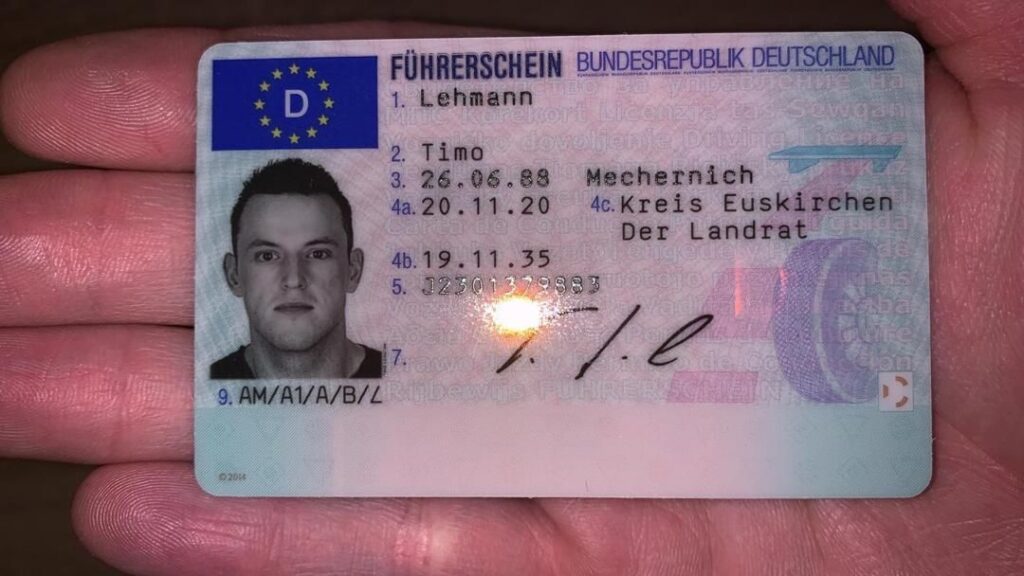
By promoting awareness of physical fitness to drive issues, authorities can reduce accidents and make sure that every driver on the road possesses the necessary skills and capabilities for safe driving.
Extra Resources
- National Highway Traffic Safety Administration (NHTSA)
- American Association of Motor Vehicle Administrators (AAMVA)
- World Health Organization (WHO)-- Road Safety
In sum, preserving a high standard of physical fitness to drive is a shared obligation among individuals, health care specialists, and regulatory bodies, all aiming for more secure roads and a more conscientious driving culture.
- 이전글인터넷가입 국가인권위원회, 인권위원 후보자 공개 모집…10월15일까지 25.09.26
- 다음글The Main Issue With Order High-Quality Counterfeit Money, And How You Can Solve It 25.09.26
댓글목록
등록된 댓글이 없습니다.