
Clear Aligners in Periodontally Compromised Patients
페이지 정보

본문
Aligners can be a viable option for patients with periodontal concerns, but they require detailed strategy and regular follow-ups. Periodontal disease affects the gums and bone that support the teeth, and without effective treatment, orthodontic movement can worsen the condition. Before starting any aligner treatment, it is essential that the patient has non-active, well-maintained gum tissue. This means inflammation needs resolution and stabilization, often through deep cleaning and debridement, and sometimes surgical intervention. Patients should be under the consistent supervision by a gum specialist throughout the orthodontic process.
Once periodontal health is achieved, aligners offer notable benefits. Unlike traditional braces, aligners are removable, which allows patients to practice uncompromised cleaning routines. Oral hygiene routines become more effective without brackets and wires, reducing biofilm accumulation that triggers gingival irritation. The gentle, controlled movement provided by aligners can also be less traumatic to already compromised periodontal tissues when compared to the unrelenting force from brackets and wires.
However, some patients are poor الاینر candidates for aligners. Patients with severe bone loss, loose teeth, or insufficient bone support may not be good candidates. In these cases, orthodontic movement could lead to further tooth mobility or even tooth loss. A comprehensive diagnostic workup with radiographic, probing, and visual analysis is necessary to determine eligibility.
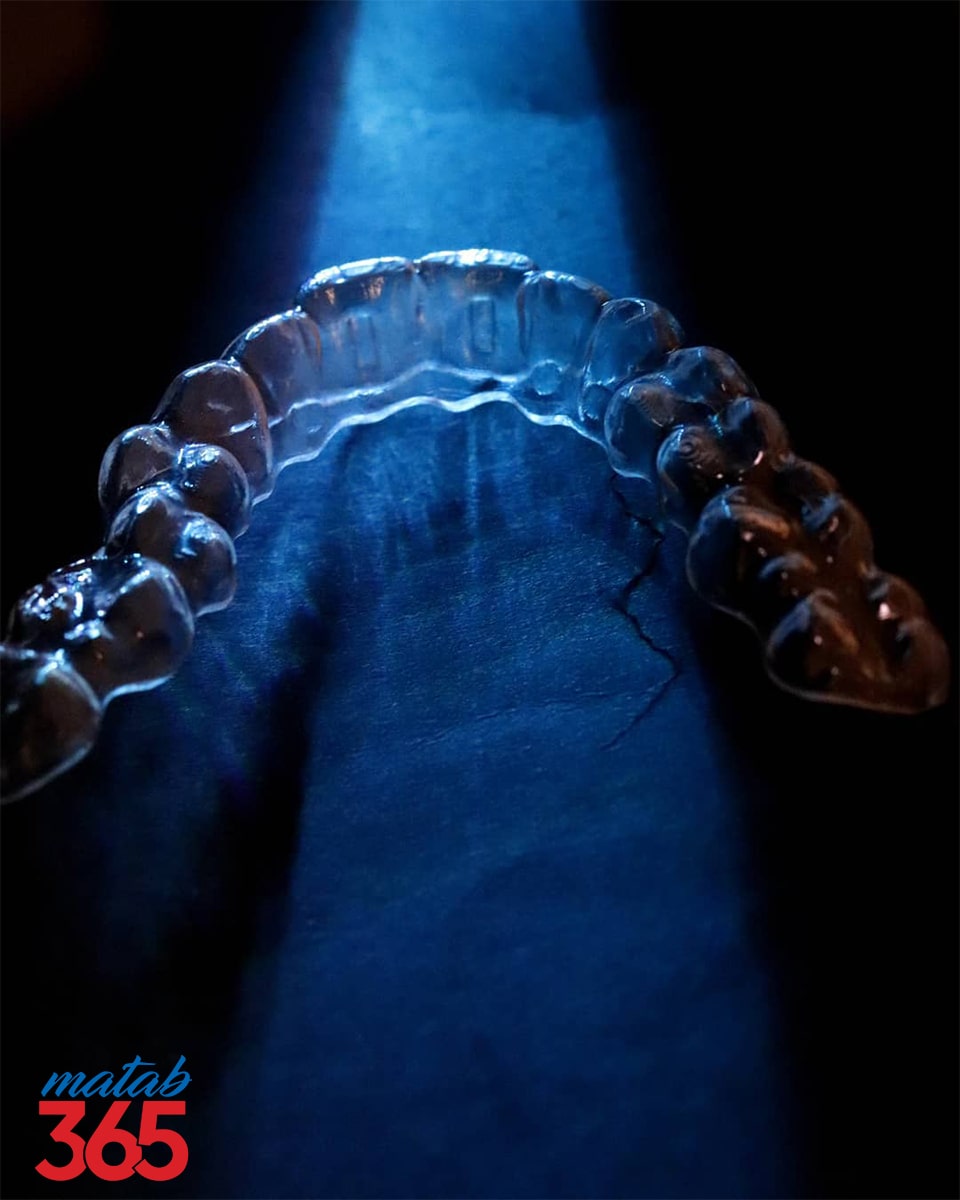
Treatment planning must be tailored. The orthodontist and periodontist should work together to set prudent objectives. Movement should be gradual and deliberate, with regular assessments of gingival parameters. Patients must be highly compliant with wearing their aligners as prescribed and maintaining exceptional plaque control practices. Any sign of gum bleeding, swelling, or increased pocket depth during treatment should trigger an immediate review.
In summary, aligners can be safely used for patients with periodontal concerns if the disease is properly controlled and the treatment is carefully supervised. The key to success lies in interdisciplinary teamwork, dedication to meticulous home care, and a cautious biomechanical strategy. For the suitable patient, aligners can improve both smile aesthetics and long-term oral health.
- 이전글A Peek In Counterfeit German Banknotes's Secrets Of Counterfeit German Banknotes 25.10.10
- 다음글Combining Sunroofs and Aftermarket Body Kits 25.10.10
댓글목록
등록된 댓글이 없습니다.