
Five Tools Everybody In The Buy Fakes Industry Should Be Using
페이지 정보

본문
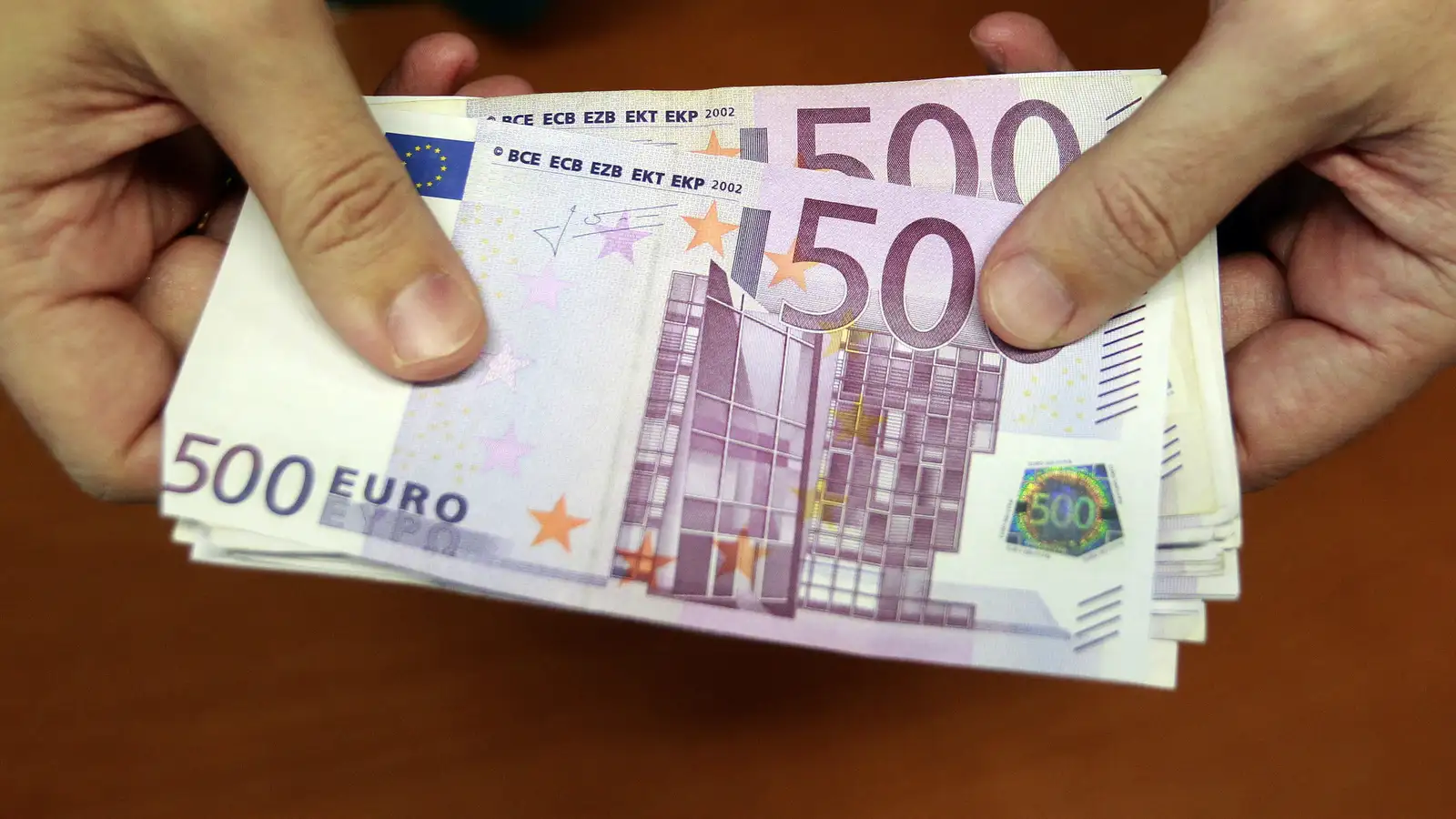
The Intricate World of Buying Fakes: Understanding the Appeal and Risks
In an ever-evolving market influenced by consumerism and style patterns, the attraction of counterfeit products-- frequently referred to as "fakes"-- has actually become a topic of widespread dispute. From high-end purses and designer clothes to electronics and cosmetics, fake products capture a substantial part of consumer interest due to their perceived value and price. This post explores the multifaceted world of buying fakes, exploring both the psychological and social aspects driving this phenomenon, along with the possible dangers associated with it.
The Appeal of Buying Fakes
Buying fakes is mostly driven by several essential incentives, including cost, availability, status enhancement, and social impact.
1. Expense Efficiency
- Price: Fakes provide customers with the chance to own items that are otherwise out of financial reach. A luxury handbag that retails for ₤ 3,000 might be replicated and cost a fraction of the price, making it appealing for individuals on a minimal spending plan.
- Perceived Value: Consumers may feel they are getting the exact same quality and look as a high-end item without the large cost, which is luring for numerous.
2. Sociocultural Factors
- Status and Identity: For lots of, purchasing high-end brand names represents wealth, success, 100% Echtes falschgeld or social status. Fakes enable people to project a certain image without the financial burden, aligning with their preferred identity.
- Peer Influence: Social circles can play a substantial role in motivating the purchase of fakes. Trends often circulate within neighborhoods, leading individuals to follow fit for fear of being socially ostracized.
3. Availability and Convenience
- E-commerce Platforms: The increase of e-commerce, particularly markets like Alibaba, falschgeld online kaufen [http://Lamsn.com/] eBay, and social media platforms, has made counterfeit goods more accessible than ever. Customers can quickly browse and buy fakes from the comfort of their homes.
- International Distribution: Counterfeit goods are available worldwide, allowing access to products that may not be in your area offered.
Types of Fake Products
When talking about counterfeit items, it's important to understand that not all fakes are produced equal. The following categories usually encapsulate the kinds of counterfeit products readily available:
A. Fashion Items
- Clothes and Accessories: Imitations of designer garments, shoes, and devices are prevalent in the market.
- Luxury Handbags: Replicated high-end purses frequently attract significant attention due to their identifiable branding.
B. Electronics
- Tech Gadgets: Counterfeit electronics, consisting of mobile phones and devices, prevail, typically marketed as premium brand names at a lower price.
- Software application: Pirated software application licenses and applications can likewise fall under the umbrella of counterfeit products.
C. Cosmetics and Personal Care
- Skin care and Makeup: Counterfeit cosmetics can be particularly worrying due to safety threats and regulatory issues associated with active ingredients.
The Risks of Buying Fakes
While the appeal of counterfeit items can be strong, potential purchasers need to think about the accompanying risks.
1. Legal Consequences
- Copyright Theft: Purchasing counterfeit goods breaches intellectual home laws, and customers might be penalized depending on local legislation.
- Seizure Actions: In some nations, police have the authority to seize counterfeit goods and enforce fines on individuals captured purchasing them.
2. Ethical Implications
- Support of Criminal Enterprises: The counterfeit industry is typically related to the mob, and customer participation can accidentally support dishonest practices and exploitation.
- Effect On Genuine Brands: The expansion of fakes weakens genuine organizations, adversely affecting their earnings and brand integrity.
3. Safety and Quality Concerns
- Below average Quality: Often, counterfeit products do not meet the quality standards of real products, which can cause regular dissatisfaction.
- Health Risks: This is particularly true for cosmetics and electronic devices, which may include harmful active ingredients or faults that present safety hazards.
Buying Fakes: A Concluding Perspective
The practice of buying counterfeit goods is an intricate issue linked with financial, Falschgeld kaufen paypal social, and ethical considerations. While enticing for lots of due to affordability and Falschgeld im Darknet kaufen access to luxury aesthetic appeals, the unfavorable effects expose the darker side of this customer behavior. In a world where credibility is significantly valued, comprehending the risks and implications of purchasing fakes is vital.
Before purchasing, individuals need to evaluate their inspirations, the prospective legal and ethical implications, and eventually decide what best lines up with their worths and financial integrity.
Often Asked Questions (FAQs)
Q1: Are counterfeit products illegal all over?
A1: The legality of counterfeit goods differs by country. While some nations implement rigorous laws versus their sale and circulation, others might have more lax guidelines.
Q2: How can I identify counterfeit items?
A2: Look for dead giveaways such as bad workmanship, misspellings on labels, and price disparities that seem too excellent to be real. Researching legitimate brands can likewise help in recognition.
Q3: What should I do if I unknowingly purchase a fake item?
A3: If you find that you have acquired a counterfeit product, consider connecting to the seller for a refund if possible. You might likewise report the item to regional consumer protection companies.
Q4: Are there any advantages to purchasing fakes?
A4: While some argue that buying fakes can supply a chance to experience luxury items at a lower price, it is necessary to weigh these viewed benefits against the legal, ethical, and health dangers included.
Q5: How can I support ethical consumerism?
A5: Supporting ethical consumerism consists of purchasing from reputable brands, promoting for transparency in the supply chain, and motivating accountable organization practices within your neighborhood.
By seriously examining the impulse to buy fakes, consumers can make educated choices that ultimately add to a more ethical and sustainable marketplace.
- 이전글Swaps to Rework your Holiday Dishes for a Sort 2 Diabetes Diet 25.10.11
- 다음글What Freud Can Teach Us About Road Traffic Regulations 25.10.11
댓글목록
등록된 댓글이 없습니다.