
The New Era of Folk Horror on Screen
페이지 정보

본문
In recent years, the folk horror genre has undergone a dramatic revival, moving from fringe fanfare to widespread artistic recognition. This revival is not simply a empty homage to past masters but a innovative cinematic evolution that speaks to contemporary anxieties through ancient, rural motifs.
Modern folk horror films like remakes and redefinitions such as Midsommar, The Witch, The Lighthouse, and The Wicker Man have transformed the landscape by blending unsettling folklore with psychological depth and minimalist cinematography.
What sets these new films apart is their focus on alienation—not only from place, but from self and society, but emotional and cultural isolation in a world rapidly shedding ancestral roots. The horror here doesn’t come from jump scares or monsters under the bed, but from the slow realization that the rules of the world you thought you knew no longer apply.
Tribes clinging to archaic traditions, secret rites, and unbreakable codes become the epicenter of unease, forcing the characters and the audience to confront the delicate illusion of progress.
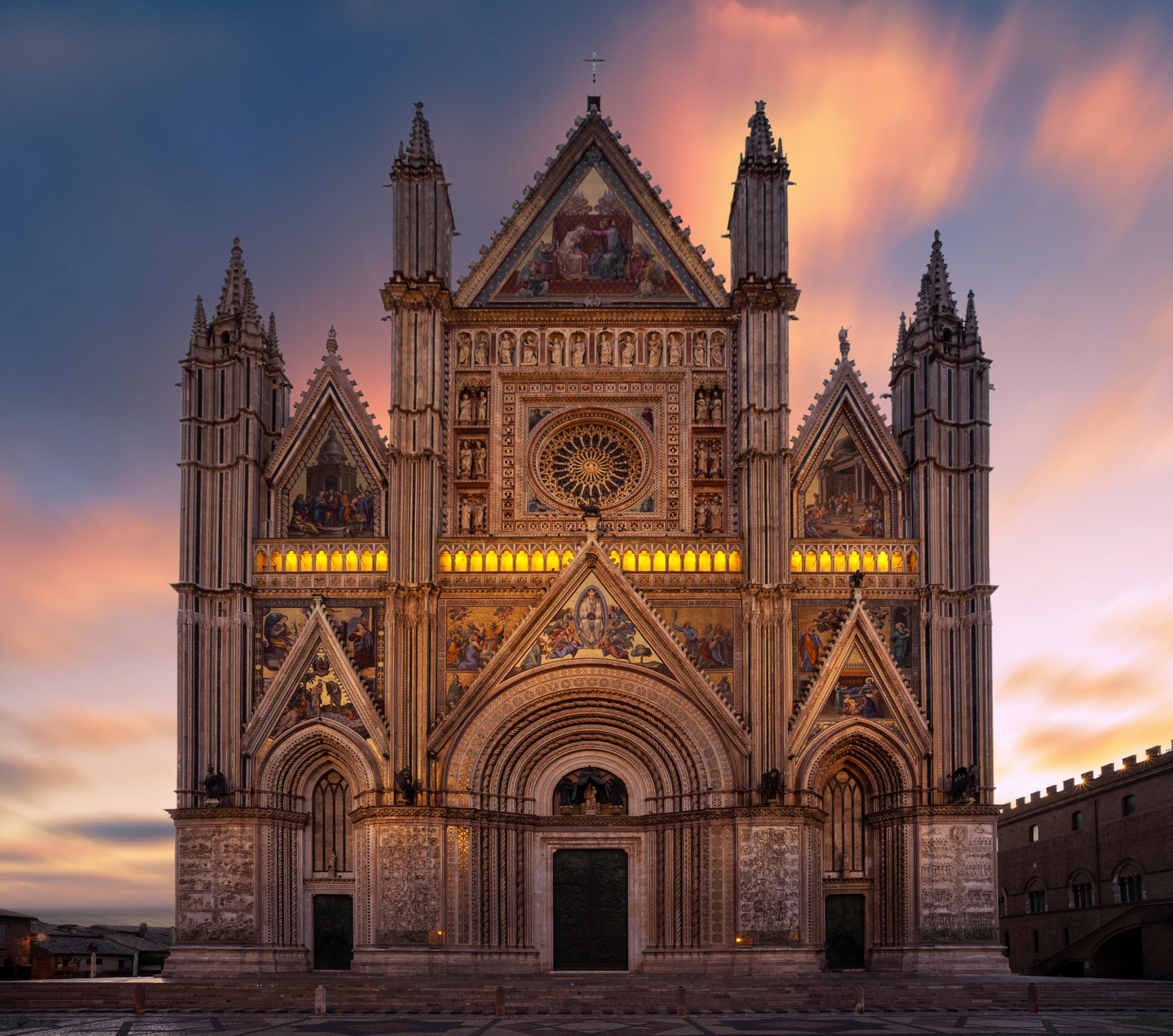
The visual language of modern folk horror is also uniquely inverted. Golden sun, rolling hills, and wide-open landscapes replace the traditional haunted ruins and mist-laced crypts. This subversion of norms makes the horror profoundly unsettling. A radiant ritual under open skies can feel more terrifying than a haunted house at midnight because it warps our instinctive comfort with daylight.
These films also tap into deep anxieties over the disappearance of belonging, the poisoning of the earth, and the erasure of ancestral truths. The rituals depicted are often invented, but they mirror suppressed customs from lost civilizations. This gives the stories a haunting authenticity, as if forgotten ways are stirring beneath the surface of the modern world.
Modern folk horror doesn’t just scare—it haunts. It asks challenging inquiries into community, compliance, and the price of modernity. It suggests that the real monster is the part of us we’ve denied, ignored, or erased.
As audiences continue to crave stories that feel deeply resonant and complex, this genre’s rise feels inevitable. It’s horror that doesn’t just haunt the screen—it haunts the mind long after the credits roll.
- 이전글Ufabet: Enjoy Thrilling Casino Site Gamings in Thailand 25.11.15
- 다음글Circulation (en Inglés) 143 (5): E72-e227 25.11.15
댓글목록
등록된 댓글이 없습니다.